Browsing the Globe of Art Book Printing: Tips and Techniques for a Remarkable Finish
When it comes to art book printing, you need to blend creativity with technical expertise for the ideal outcomes. Let's explore what that is and how it can raise your art book.
Recognizing the Printing Process
When you immerse yourself worldwide of art book printing, recognizing the printing process is important for accomplishing your desired outcomes. Begin by acquainting on your own with different printing methods, like electronic and balance out printing. Each technique has its strengths, so consider your task's range and budget.
Following, take note of color management. Make sure your pictures are in the proper shade profile, as this influences exactly how they'll appear in print. You'll likewise intend to pick the ideal resolution-- 300 DPI is basic for high-quality prints.
Constantly request an evidence prior to the final print run to capture any errors or disparities in color. Comprehending these facets can significantly boost the quality and general look of your art book.
Picking the Right Paper
Picking the ideal paper can significantly influence the general look and feeling of your art book. You'll want to assess elements like weight, structure, and coating. A heavier weight paper can give your pictures an extra elegant look, while lighter documents could really feel more delicate.
Structure plays an essential duty too; glossy paper improves colors and information for vivid photos, while matte paper offers a more controlled and creative appearance. Consider exactly how you want your artwork to be regarded-- do you choose sharp contrasts or softer edges?
This will certainly assist you imagine how your art interacts with various documents. Keep in mind, the best choice can elevate your book from ordinary to phenomenal, guaranteeing your innovative vision shines via in every web page.
Checking Out Binding Options
When it comes to binding your art book, you have actually got several alternatives to consider that can affect both the feel and look of your project. Consider the sturdiness features you require, in addition to the cost effects of each binding technique. Choosing the right binding can boost your artwork and assure it lasts for many years to come.
Kinds Of Binding Techniques
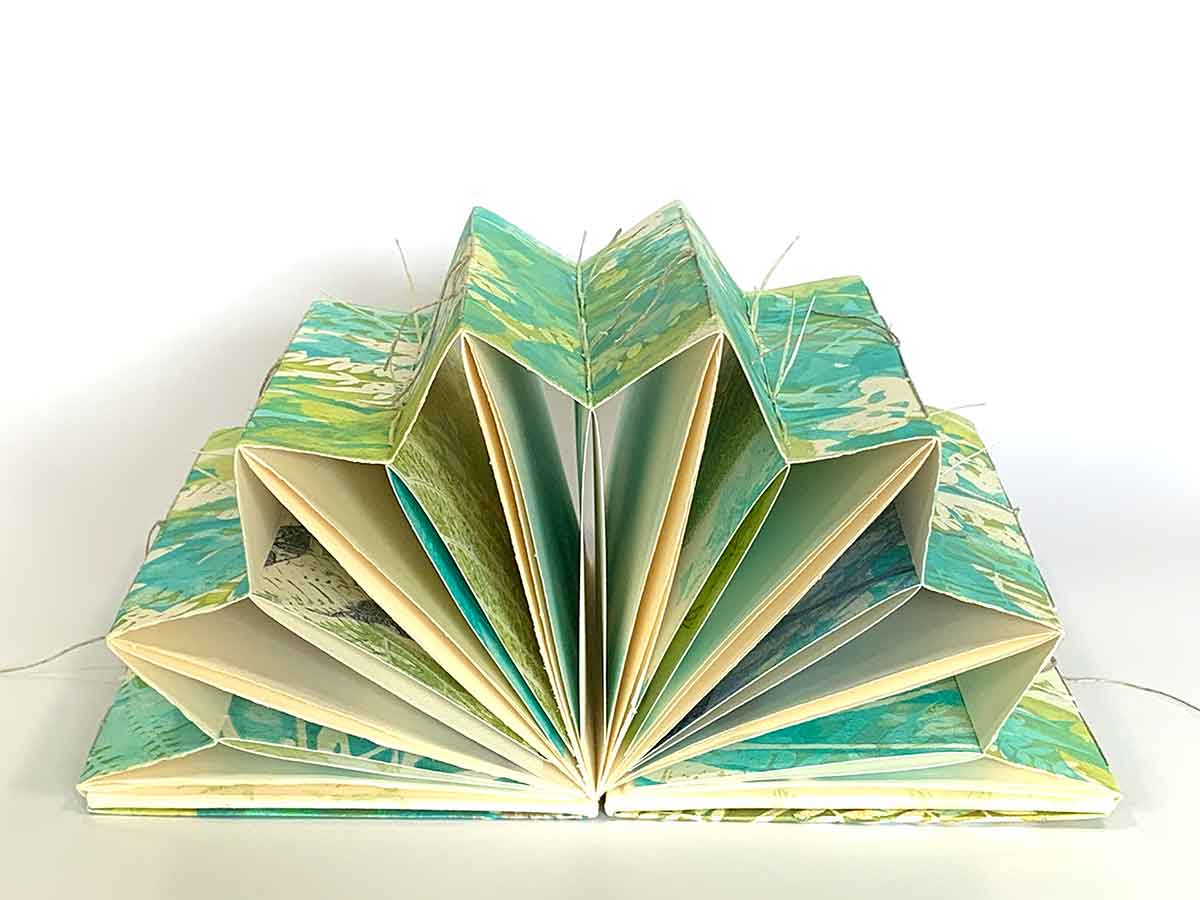
There are several binding approaches to consider for your art book, each offering unique advantages and appearances. If you're trying to find a sleek coating, ideal binding is a superb option, providing an expert appearance with a durable back. For a much more imaginative touch, think about spiral binding; it permits your book to lay flat, showcasing your art work beautifully. If you choose a typical feel, instance binding gives you a long lasting hardbound option, perfect for high-quality prints. Saddle stitching is another choice, ideal for thinner books and offering a tidy and minimalistic appearance. Each binding method has its appeal, so consider your book's function and target market to pick the one that best matches your vision.
Choosing Toughness Features
After considering the various binding methods, it's time to concentrate on longevity attributes that can improve the durability of your art book. Choosing a robust binding alternative is necessary; think about choices like case binding or lay-flat binding, which provide added stamina. Furthermore, pay attention to the sort of sticky utilized; a top quality PVA glue can assure the pages remain safe and secure gradually. If you expect your book to sustain regular handling, go with products like laminated covers or covered paper, which resist damage. Lastly, think of how you'll save guide-- using a safety slipcase can add an added layer of defense versus dust and damages. Prioritize these functions to keep your art book looking excellent.
Price Implications of Binding
While selecting a binding option for your art book, it's essential to consider how each choice impacts your budget. Saddle sewing is extra affordable, excellent for smaller sized publications, yet it may not fit larger projects. Inevitably, picking the right binding alternative can improve your art book's presentation without breaking the financial institution.
Creating for Print
When next page developing for print, you need to focus on clearness and visual impact to effectively display your artwork. Start by picking a shade combination that complements your items, ensuring it translates well theoretically. Bear in mind that colors might show up differently in print than on-screen, so choose tones that preserve vibrancy when printed.
Usage high-resolution pictures to avoid pixelation; go for a minimum of 300 DPI for peak quality. Consider your typography meticulously-- choose fonts that boost your art without overpowering it. Keep a balance in between text and visuals, making certain that neither distracts from the various other.
Pay interest to layout and white area, as these elements assist the viewer's eye and develop a harmonious circulation. Assume regarding the dimension and dimensions of your book; it must boost your artwork, not constrict it. By concentrating on these aspects, you'll develop a stunning print design that captivates your audience.
Proofing Your Art Work
Once you've completed your layout, it's time to evidence your art work resource to validate every little thing looks as intended. If your artwork is vibrant on-screen, but dull on paper, adjustments may be required.
Print a test proof to see exactly how your style equates to paper. This step supplies useful understandings right into color, contrast, and layout. Don't hesitate to ask for feedback from trusted peers or coworkers-- they could capture concerns you ignore. Ultimately, ensure your art work abides by any specific guidelines your printer calls for, such as hemorrhage and cut lines. A comprehensive proofing procedure warranties that your final item shows your hard job beautifully.
Collaborating with a Printer
When you prepare to print your art book, finding the appropriate printer is essential. You'll require to plainly communicate your vision and recognize the printing specs to guarantee every little thing transforms out as expected (art book). Allow's explore just how to make this process smooth and effective
Selecting the Right Printer
Selecting the appropriate printer can make all the distinction in bringing your art book vision to life. Research regional and on the internet printing firms, paying focus to their portfolios and customer evaluations. You desire a printer experienced in art publications, as they'll recognize the subtleties of reproducing your artwork faithfully.
Interacting Your Vision
To assure your art book appears simply as you envision, it's essential to interact your vision clearly with your printer. Begin by sharing your innovative idea, consisting of styles, shades, and any type of certain components you desire highlighted. Review the total feel you're intending for, whether it's modern-day, typical, or progressive. Be open concerning your budget and timeline; this helps your printer provide practical options. Don't hesitate to share examples or referrals that motivate you. Ask concerns and make certain you comprehend their processes, as this builds a collaborative partnership. Establish normal check-ins throughout production to make certain every little thing lines up with your expectations. Clear interaction can change your vision into a tangible work of art.

Recognizing Printing Specs
With your vision clearly articulated, it's time to focus on the technological side of publishing your art book. Recognizing printing specs is vital for accomplishing the ideal result. Next off, take into consideration the book's measurements-- conventional sizes are often more cost-efficient, yet custom-made sizes can boost your one-of-a-kind style.
Marketing Your Art Book
Advertising and marketing your art book efficiently can make all the distinction in reaching your audience and enhancing sales. Are they art lovers, collectors, or trainees? Showcase your artwork, share behind the curtain content, and engage with your fans through tales and posts.
Take into consideration hosting a launch occasion or joining art fairs to get in touch with potential purchasers straight. Collaborate with influencers or blog writers in the art community to broaden your reach. Do not take too lightly the power of e-mail marketing; develop a subscriber list to keep interested readers upgraded.
Finally, take advantage of online industries and your website for anonymous direct sales. Deal minimal editions or special promos to develop urgency. By integrating these approaches, you'll increase visibility and drive sales for your lovely art book.
Frequently Asked Questions
What Is the Typical Expense of Art Book Printing?
The standard price of art book printing differs widely based on elements like dimension, web page matter, and products. Generally, you're taking a look at anywhere from $10 to $50 or more per book, depending upon your options.
The length of time Does the Printing Refine Typically Take?
The printing process typically takes regarding two to four weeks, depending upon the job's complexity and volume. You'll need to aspect in style, proofing, and prospective modifications to ensure whatever satisfies your assumptions.
Can I Print a Restricted Edition of My Art Book?
Yes, you can print a limited edition of your art book. Simply decide the amount of duplicates you desire, select a high quality printer, and ensure you've got the right products to develop an unique feeling.
What Data Formats Are Best for Printing My Art Work?
For publishing your art work, use high-resolution files like TIFF or PDF. These formats keep top quality and color accuracy. Avoid JPEGs for last prints, as they can shed detail. Always examine your printer's specs for finest results.
Exactly How Can I Guarantee Color Precision in My Printed Schedule?
To ensure color precision in your printed book, use an adjusted screen, soft evidence your documents, and choose a reputable printing service. Additionally, think about using RGB or CMYK shade modes as required for your artwork.